
Have something to say about climate or the environment?

Share it with Nepal's climate-conscious community through our platform, socials, and 780-subscriber newsletter.

Write a blog

Browse by Category

When a Warning Is Not Enough Climate Science

When a Warning Is Not Enough

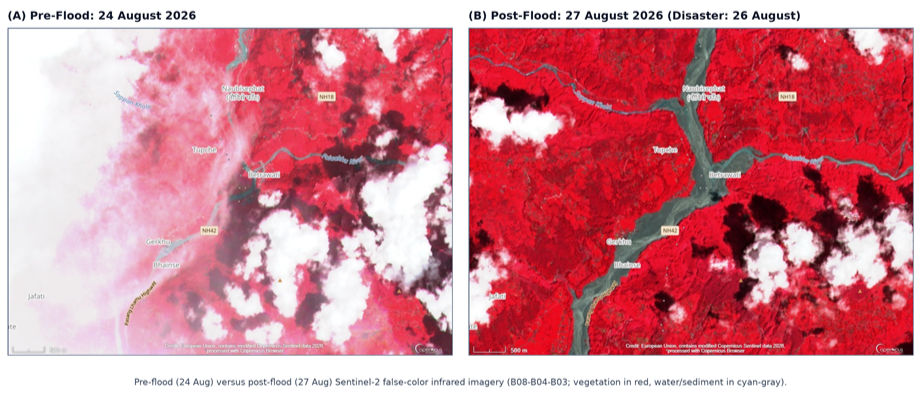
Why Nepal's flood warnings failed on 26 August, and what actually saved lives

Darshan Moktan's profile
Darshan Moktan
8 min read
Reflections on LCOY Nepal 2026Voices & Stories

Reflections on LCOY Nepal 2026

This blog shares my experience and learning from LCOY Nepal 2026.

Hridayana Lama Tamang's profile
Hridayana Lama Tamang
3 min read
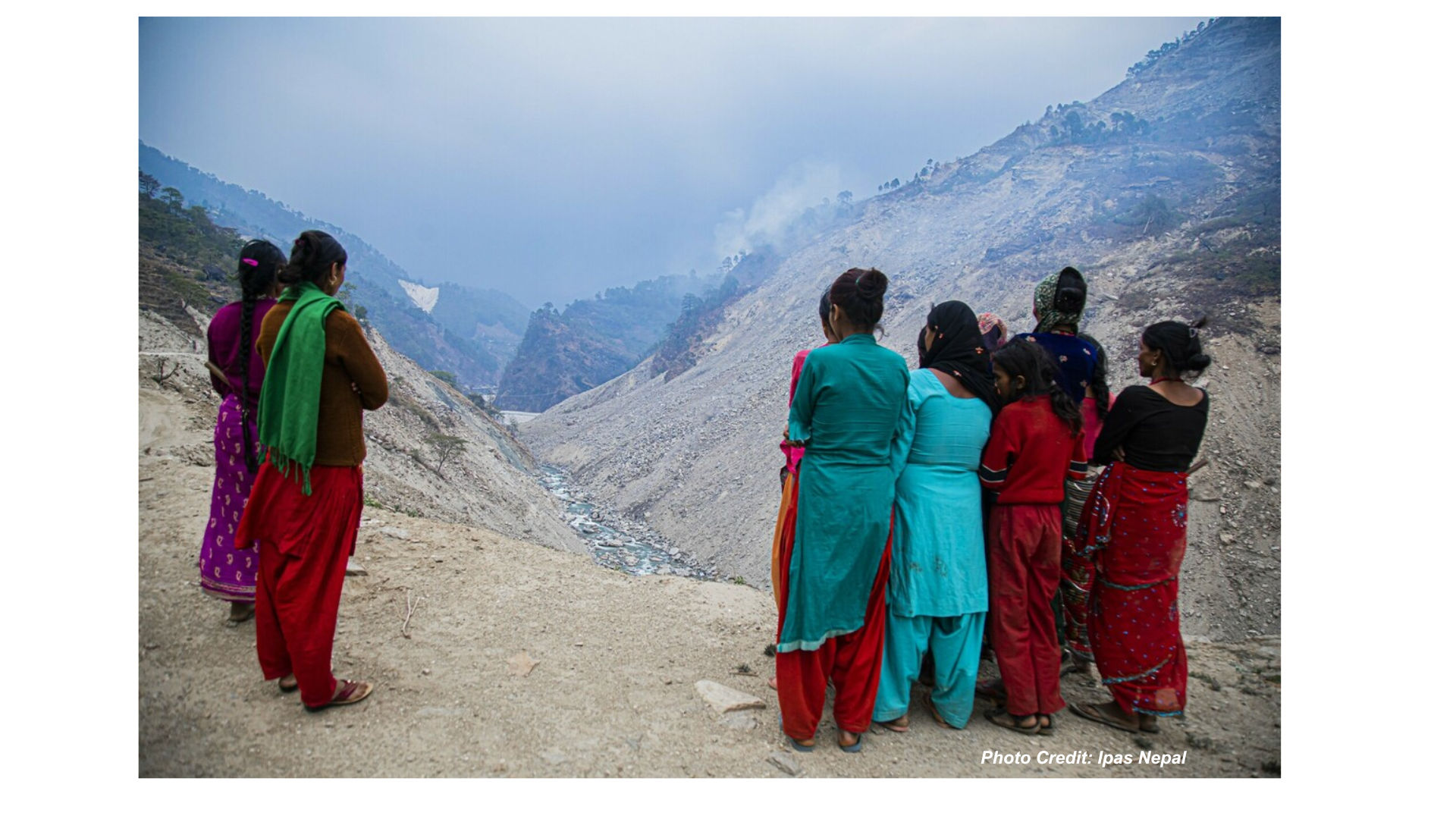
When a Mountain Broke: Inside Nepal's Deadliest Flash FloodClimate Justice

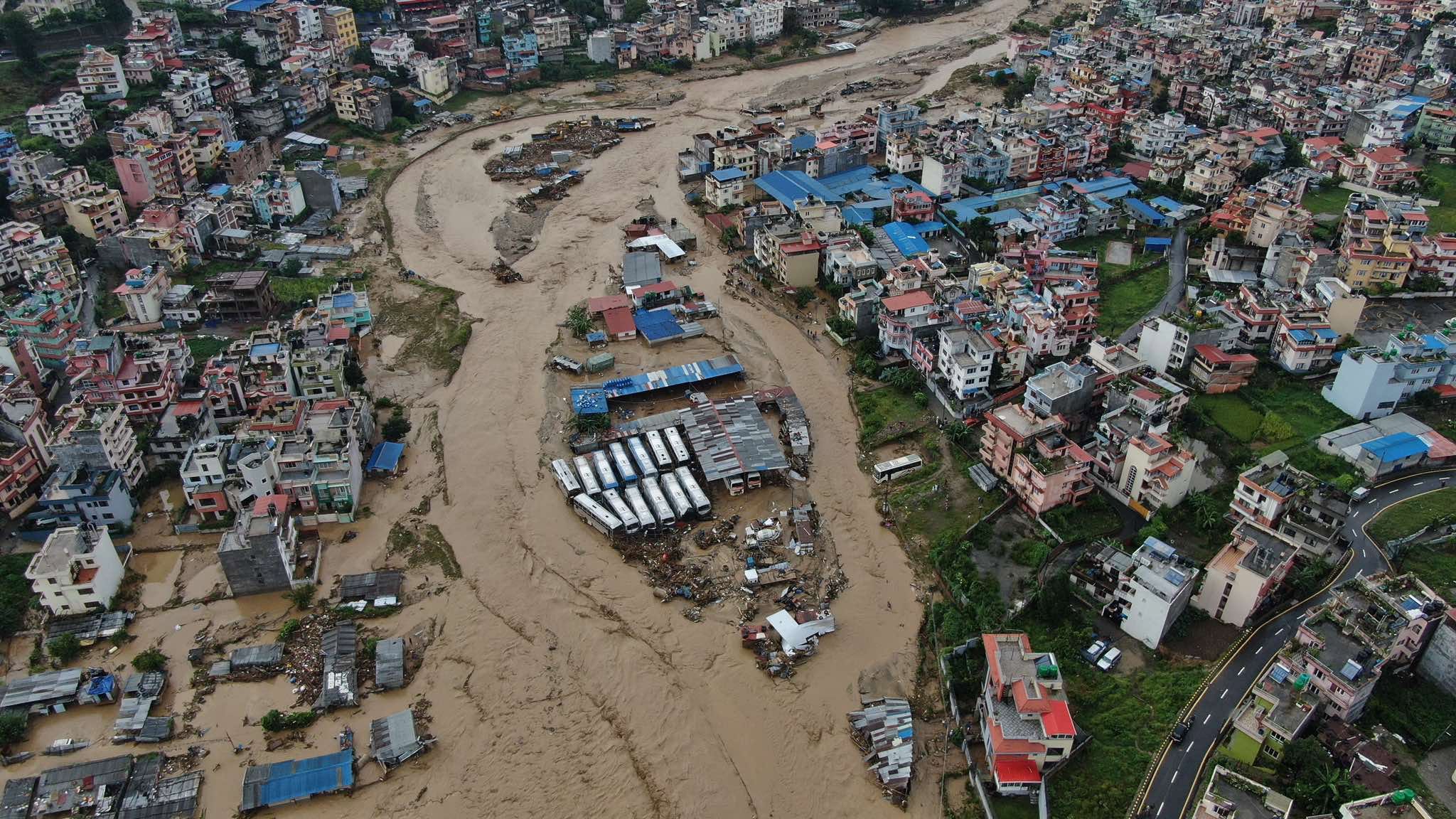
When a Mountain Broke: Inside Nepal's Deadliest Flash Flood

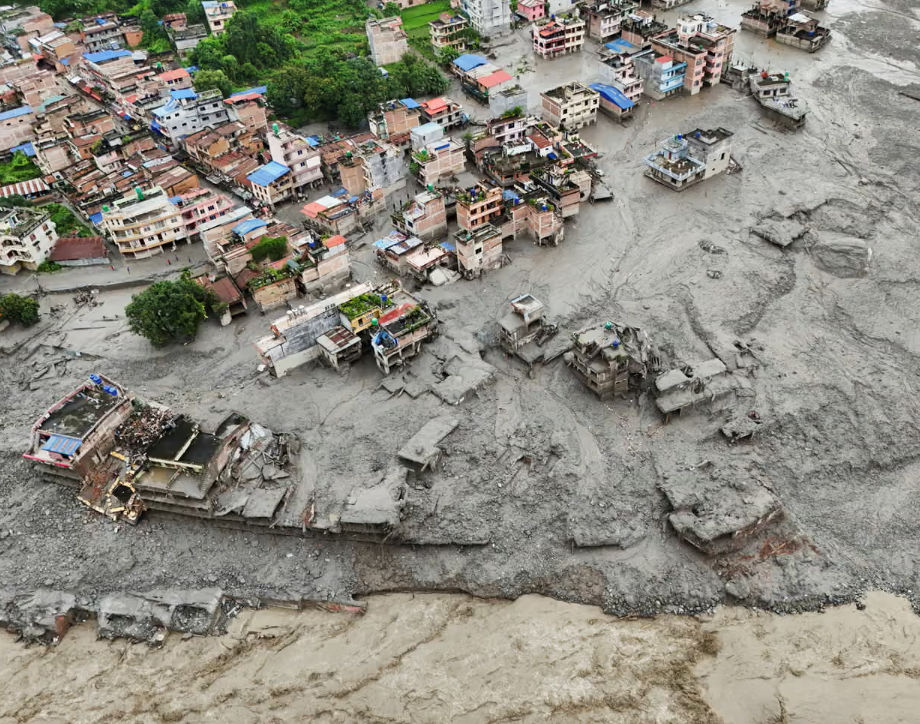
In the space of minutes, an ordinary morning in north-central Nepal became a disaster of unimaginable scale. On August 26, 2026, a massive ice-rock avalanche unleashed a violent surge of water, mud, and debris, sweeping through settlements, roads, bridges, and hydropower infrastructure downstream. As communities mourn their losses and survivors begin rebuilding their lives, the disaster raises urgent questions about Himalayan vulnerability, a changing climate, and the need to strengthen resilience before the next disaster strikes.

Sudha Subedi's profile
Sudha Subedi
9 min read
Nepal's 2026 Disaster and the Rising Toll of Glacial Lake Outburst FloodsEducation

Nepal's 2026 Disaster and the Rising Toll of Glacial Lake Outburst Floods

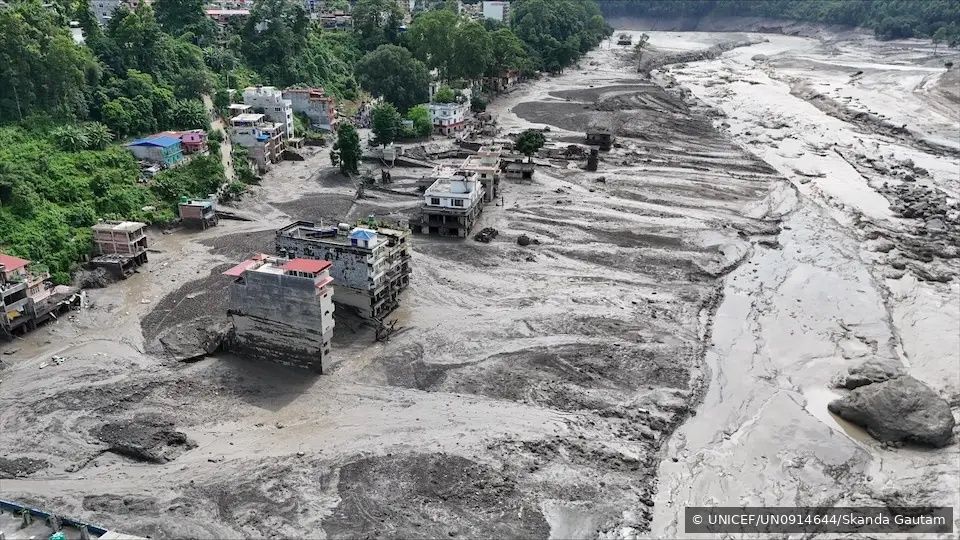
A glacial collapse tore through Nepal's mountains in August 2026, killing hundreds and exposing the widening gap between a warming Himalaya and the systems meant to protect those living beneath it.

Aadya Tyagi's profile
Aadya Tyagi
14 min read
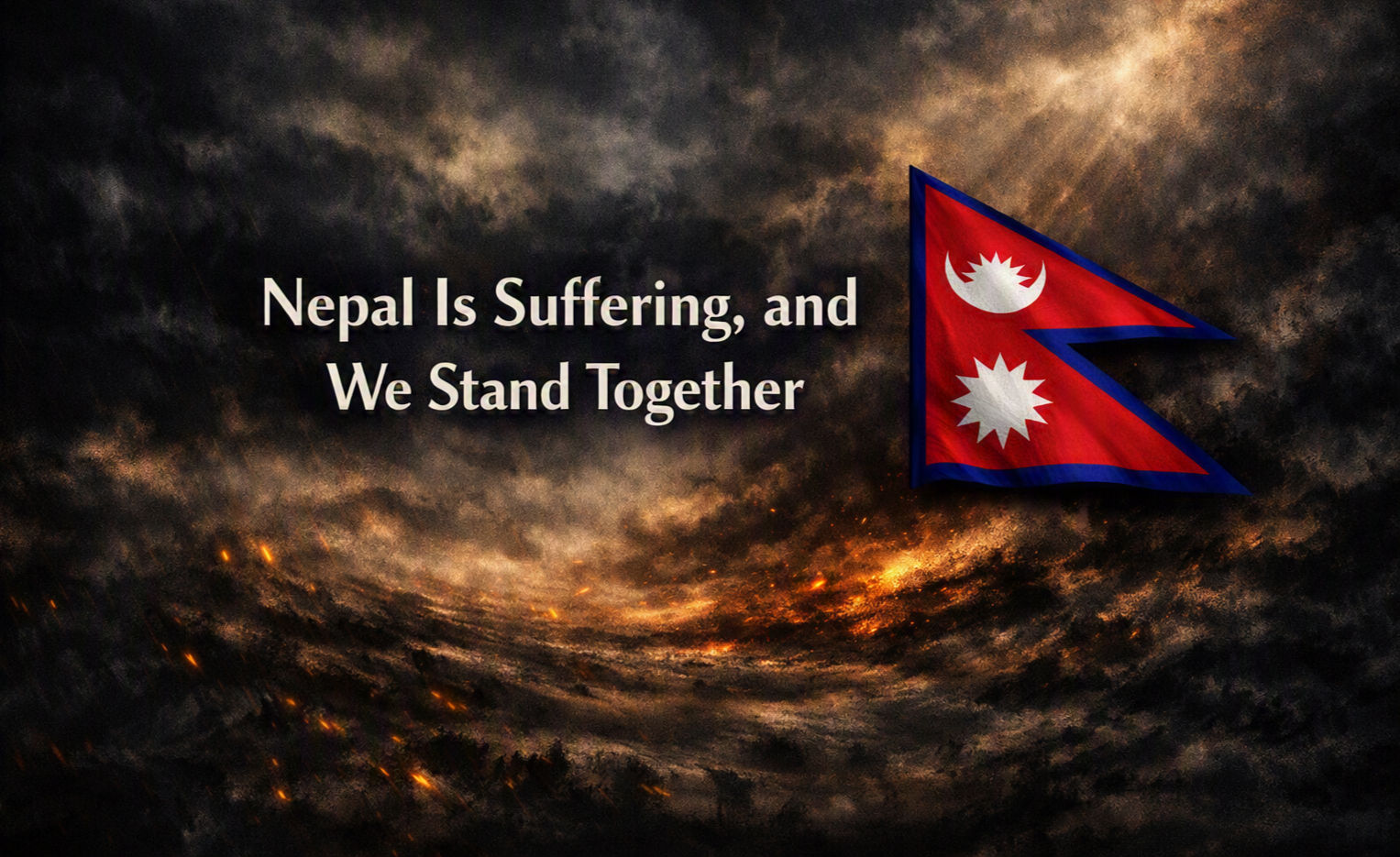
Nepal Is Suffering, and We Stand TogetherVoices & Stories

Nepal Is Suffering, and We Stand Together

This blog shares the human side of Nepal’s recent flood - the pain people are facing, the support from communities and the government, and the truth that Nepal is suffering from climate change even though we do not emit much.

Menaka Pun Magar's profile
Menaka Pun Magar
3 min read
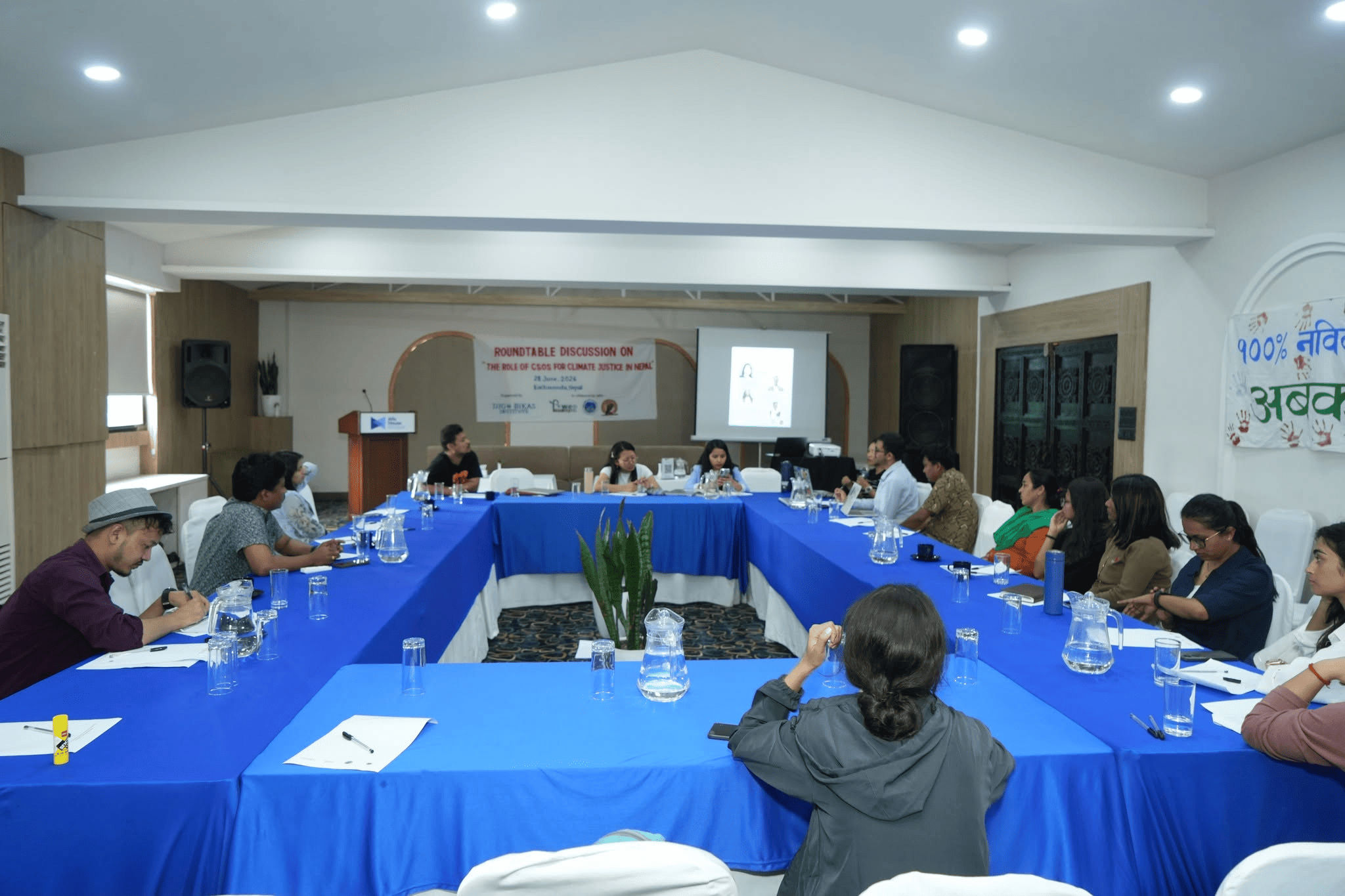
Reflections from the Roundtable Discussion on "The Role of CSOs for Climate Justice in Nepal"Climate Justice

Reflections from the Roundtable Discussion on "The Role of CSOs for Climate Justice in Nepal"

**Blog Summary** This blog reflects on key insights from the roundtable discussion *“The Role of CSOs for Climate Justice in Nepal,”* exploring how civil society organizations can advance climate justice through community participation, Indigenous rights, evidence-based advocacy, legal action, and meaningful youth engagement. It highlights the need to move climate action beyond policies and international forums and root it in the experiences and priorities of local communities.

NIHARIKA BHATTARAI's profile
NIHARIKA BHATTARAI
5 min read
Bearing the Brunt of Climate Change: Gendered Cost of a Warming WorldClimate Justice

Bearing the Brunt of Climate Change: Gendered Cost of a Warming World

“It’s mostly people with the least contribution to climate change having to bear the heaviest brunt.”

Monika Bhatt's profile
Monika Bhatt
10 min read
When the River Remembers! What Nakkhu Khola Teaches Us About Climate Change Voices & Stories

When the River Remembers! What Nakkhu Khola Teaches Us About Climate Change

Climate change is the most dangerous not only because it brings intense consequences, but because it breaks our ability to trust the patterns we have built our lives around.

NIHARIKA BHATTARAI's profile
NIHARIKA BHATTARAI
8 min read
When the Mountains Burst: The Unseen Glacial Threat Facing the HimalayasClimate Science

When the Mountains Burst: The Unseen Glacial Threat Facing the Himalayas

Climate change is accelerating glacier melt across the Himalayas, and the resulting meltwater collects behind unstable natural dams. When these dams fail, glacial lake outburst floods (GLOFs) can devastate entire communities within minutes as seen in Thame, Nepal (2024) and Purepu (2025), where small, poorly monitored lakes caused sudden, catastrophic destruction. A similar event struck Dharali in Uttarakhand, India (2025), compounded by unregulated infrastructure development in ecologically fragile terrain. With over 25,000 glacial lakes across the Hindu Kush Himalaya and nearly 260 million people living downstream, identifying and monitoring high-risk lakes particularly smaller, unmapped ones has become a critical priority for regional disaster preparedness and climate resilience

Anjali Rawat's profile
Anjali Rawat
7 min read
A Platform for Water: Pani ChautariClimate Policy

A Platform for Water: Pani Chautari

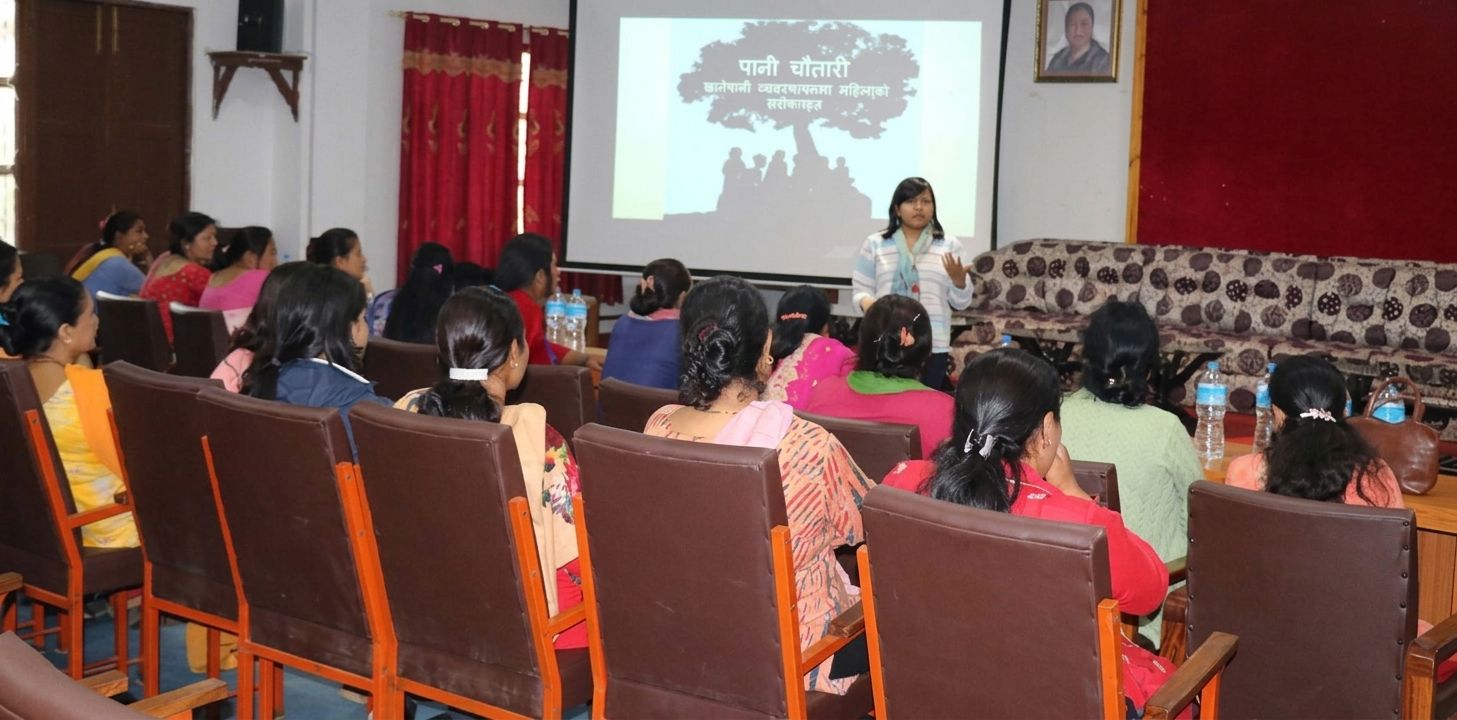
As springs dry up across Nepal's hills, Dhulikhel found a solution rooted not in infrastructure but in conversation. Discover Pani Chautari — a community dialogue process reviving an old tradition of the wayside resting platform, reimagined for water. From identifying problems to building recharge ponds that brought springs back to life, this model shows how evidence, local knowledge, and sustained dialogue can turn a water crisis into a blueprint for governance.

Senchen Thamsuhang's profile
Senchen Thamsuhang
6 min read
Kathmandu’s Sinking GroundsClimate Science

Kathmandu’s Sinking Grounds

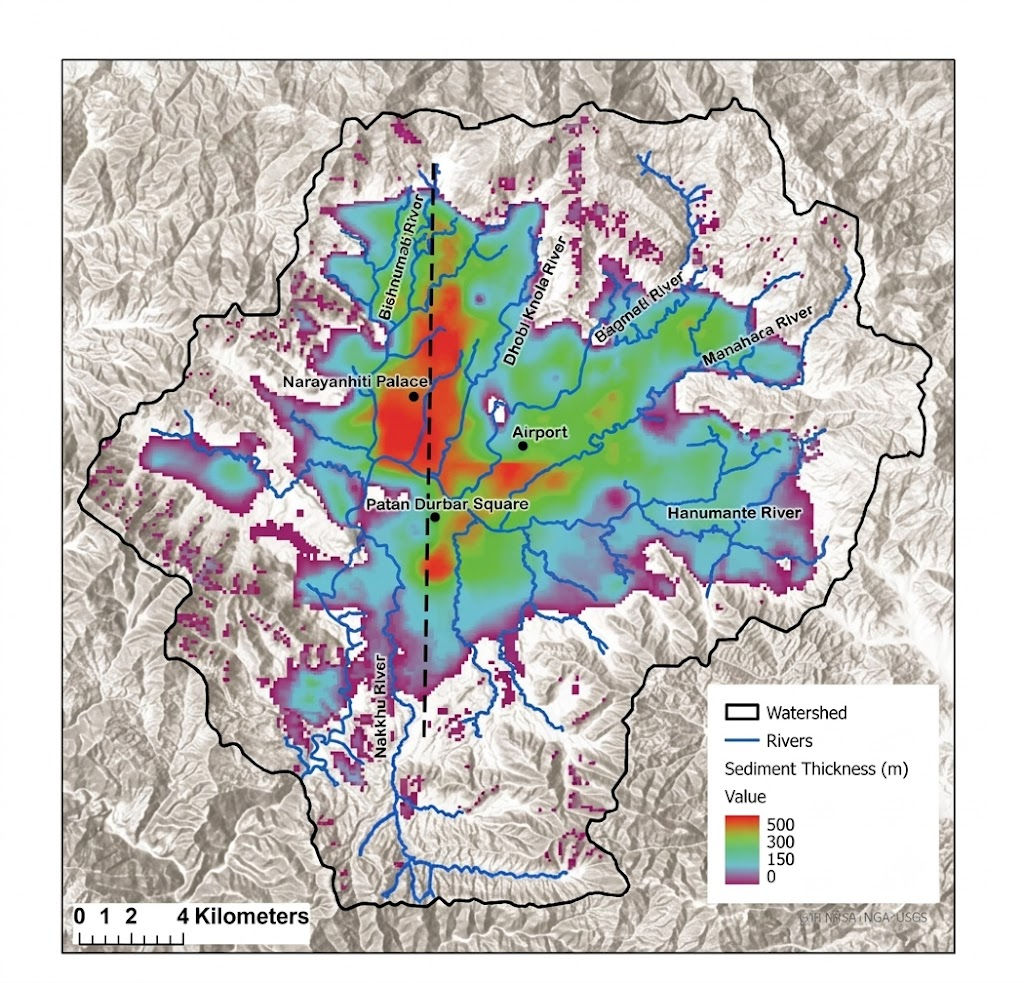
An unnoticed disaster lurking beneath

Darshan Moktan's profile
Darshan Moktan
8 min read
Can a Positive IOD Partly Weaken the Impacts of a Super El Niño on Nepal's Monsoon?Climate Science

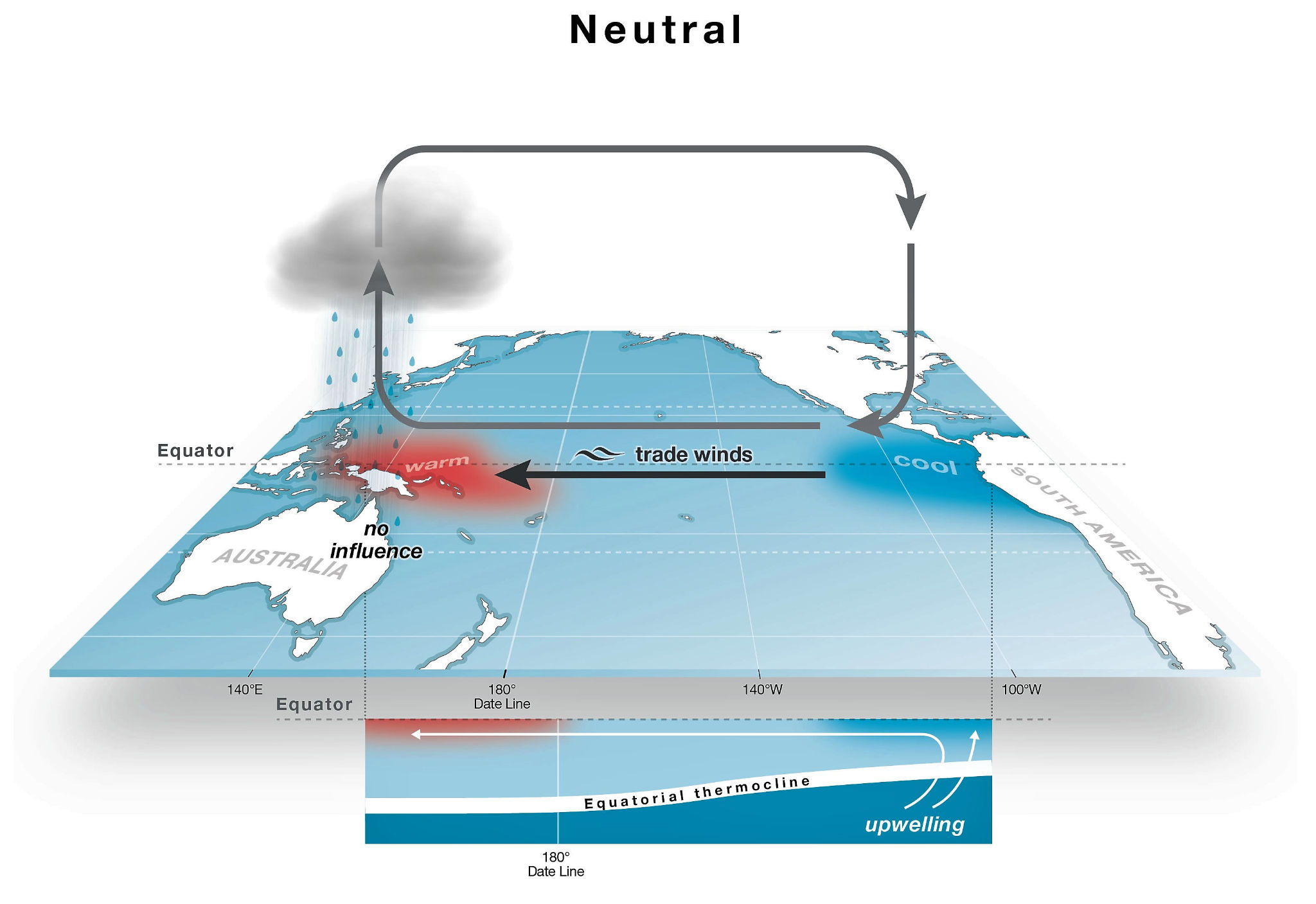
Can a Positive IOD Partly Weaken the Impacts of a Super El Niño on Nepal's Monsoon?

Darshan Moktan's profile
Darshan Moktan
7 min read